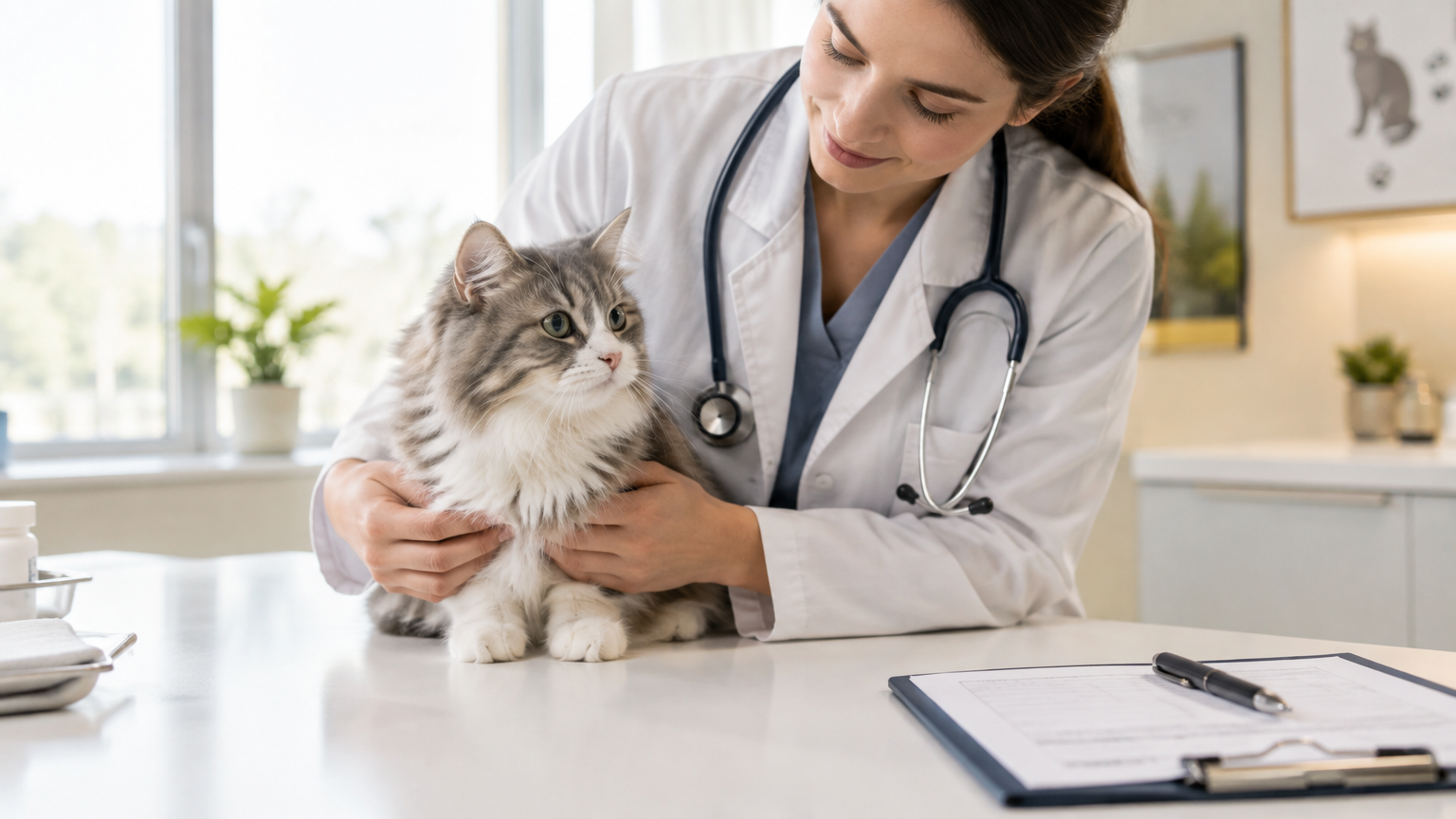
Planning to switch vet Dubai? Whether you’re relocating, unhappy with current care, or your clinic is closing, this guide helps you transition smoothly without disrupting your pet’s health. We cover how to request medical records, understand local regulations, and prepare your new vet for success.
Quick Summary
- What you’ll learn:
- How to request full medical records, vaccination histories, and prescription notes from your current vet.
- Legal requirements vets in Dubai must follow when providing records.
- How to prepare your new vet clinic for the first appointment.
- Digital vs. paper records, microchip updates, and tips for senior or anxious pets.
- Why it matters:
- Ensures medications, treatments, and preventive care continue without gaps.
- Avoids duplicate vaccinations or tests—saving stress and money.
- Protects your pet’s legal and health documentation for travel, emergencies, or relocations.
- Reduces anxiety for both you and your pet during the transition.
How to Switch Vet Dubai Without Missing a Beat
What “Switch Vet Dubai” Really Means
Switching vets means changing your veterinary clinic or veterinarian in Dubai. This might be due to moving neighborhoods, dissatisfaction with current care, or clinic closure.
The key is maintaining continuity. This means tracking medications, vaccines, tests, and treatments you’ve already completed. It also means understanding any ongoing conditions and staying compliant with Dubai’s legal requirements for licensing, microchip registration, and prescriptions.
Legal Rights: What Dubai Vets Must Provide
Knowing your rights before requesting records helps set clear expectations.
- Federal Law No. (10) of 2002 on Practicing the Veterinary Medicine Profession requires all veterinary facilities to maintain complete registers. These include owner names and contact details, animal type, medical history, identification numbers, medical conditions, treatments with dates, and outcomes.
- Dubai Municipality’s Veterinary Services Section mandates that clinics keep treatment records, immunizations, lab results, and full medical history as part of their operating license.
- Prescription records must be registered and maintained for at least one year at the issuing facility under Dubai law.
This means your clinic must provide everything already documented: vaccine dates, prescription notes, surgery details, and lab reports.
Step-by-Step: How to Request Your Pet’s Medical Records
1. Contact Your Current Vet Clinic
Send a written request—email or formal letter works best. Specify exactly what you need: vaccination history, prescription notes, diagnostics, and complete medical history. Ask whether they provide digital records (EMR) or paper only.
2. Request the Right Format
Specify whether you want paper copies, digital PDFs, or electronic medical records (EMR) files. Request they include identification numbers like microchip data and tag information. Also ask for disclosure of any ongoing treatments, allergies, or behavioral notes.
3. Confirm Costs and Timeline
Some clinics charge a document fee (usually AED 50–150), while others provide records free. By law, records should be available. Processing typically takes several business days.
4. Ensure Microchip Data Is Included
Request the microchip number plus registration confirmation. Under Dubai law, pets must be microchipped and registered. If you move or change clinics, you’re required to update the registry.
5. Get Clear Details on Prescriptions
Ask for any ongoing medications (heart medicine, insulin, etc.), including dosage and frequency. Clarify whether prescriptions are repeatable and how many refills your clinic allows.
What to Bring to Your New Vet Clinic
Come prepared to your first appointment with:
- Complete medical file: vaccination history, prescriptions, diagnostic test results in digital or organized paper format.
- Microchip details and confirmation the registry has been updated with your new address or contact information.
- Current medication list including dosages and frequency.
- Behavioral notes: how your pet reacts to vets, loud noises, or other animals.
- For senior pets (7+ years for dogs, 8+ for cats): any mobility aids, familiar blankets, favorite toys, or calming pheromones to reduce stress.
Digital Records vs. Paper Records: What’s Best?
| Feature | Digital Records (EMR, PDF) | Paper Records |
|---|---|---|
| Portability | Email or upload easily; share across clinics instantly | Must carry physically; risk of loss or damage |
| Completeness | Includes scans, lab attachments, and updated notes | May omit attachments; harder to track updates |
| Backup & Security | Encrypted, backed up, access controlled | Single copy at risk from theft, water, or loss |
| Personal Copy | Store on USB drive or cloud storage easily | Difficult and expensive to duplicate |
Pro tip: Always request a digital backup, even if your vet uses paper records. This protects you if the clinic closes or records are lost.
Microchip Registration: Why It’s Critical
Microchip registration is mandatory for all pets in Dubai. During your pet’s annual rabies vaccination, your clinic typically re-registers the chip with Dubai Municipality.
When you switch vets, update your microchip registration if you’ve changed address, phone number, or contact details. The process is simple and costs about AED 10 online through Dubai Municipality. This ensures rescue teams, emergency vets, or shelters can reach you if your pet is lost.
Legal compliance is also maintained—important when changing clinics or relocating within or outside the UAE.
Helping Senior or Anxious Pets Adjust to a New Vet
Senior pets or those with anxiety need extra care during a clinic change. Here’s how to help:
- Visit the new clinic before your first appointment. Meet the staff, observe the space, and see how they handle other pets.
- Schedule appointments during quiet times—early morning or mid-week—to avoid crowds and loud noise.
- Bring familiar comfort items: favorite blanket, toy, treats, or calming pheromones if your pet uses them.
- Plan a gradual introduction: start with a short “meet and greet” before scheduling a full examination.
- Communicate clearly with staff about anxieties: noise sensitivity, fear of handling, or mobility issues.
What to Check Before Fully Switching Clinics
Before committing to a new vet, verify:
- The clinic is licensed and inspected by Dubai Municipality Veterinary Services and operates under local regulations.
- The veterinarian holds a license under Federal Law No. 10 of 2002, confirming legal credibility.
- The clinic keeps detailed records in compliance with legal requirements and can track prescriptions and treatments.
- The clinic uses approved medicines and works with certified diagnostic labs.
Typical Costs You May Encounter
- Record copy fees: Some clinics charge AED 50–150 for extracting, printing, or scanning a complete medical history. Others provide it free.
- Microchip registration or update: Approximately AED 10 when updating information with Dubai Municipality.
- Vaccination packages: Clinics often bundle vaccines, exams, and rabies tags. A typical combined package costs around AED 199.
Common Questions About Switching Vets
Can My Old Clinic Refuse to Give Me Records?
No. Under Federal Law No. 10/2002 and Dubai Municipality regulations, vets must provide records. Only in rare cases of non-payment or legal disputes might there be delays, but the legal requirement remains.
Do Records Need to Be Digital?
Either digital or paper is acceptable. Digital makes transfer easier, but paper works fine if organized. You can request both formats.
How Long Should I Keep Vaccination Records?
Keep them indefinitely while your pet is alive. They’re essential for yearly vaccinations, consistency checks, travel, licensing, and emergencies. Vets in Dubai must record and retain immunization records.
Can a Vet Refuse to Treat a Senior or Anxious Pet?
No. Ethical and legal veterinary practice requires care regardless of age or temperament. Most clinics offer special arrangements like quiet visits or safe sedation options to manage anxious pets.
How Do I Update My Pet’s Microchip Data?
Use Dubai Municipality’s online form with your Emirates ID, new address (Makani number), microchip number, and contact details. Cost is about AED 10. Your current vet can often help with this process.
Ready to Make the Switch?
Switching vets doesn’t have to be stressful. By requesting your pet’s full medical history, updating microchip records, and preparing your pet—especially if senior or anxious—you can ensure a smooth transition.
Start by collecting your vaccination history, prescriptions, and microchip data. When you book your first appointment at the new clinic, bring everything organized and ready. Your new vet will appreciate the thorough handover and provide better continuity of care from day one.