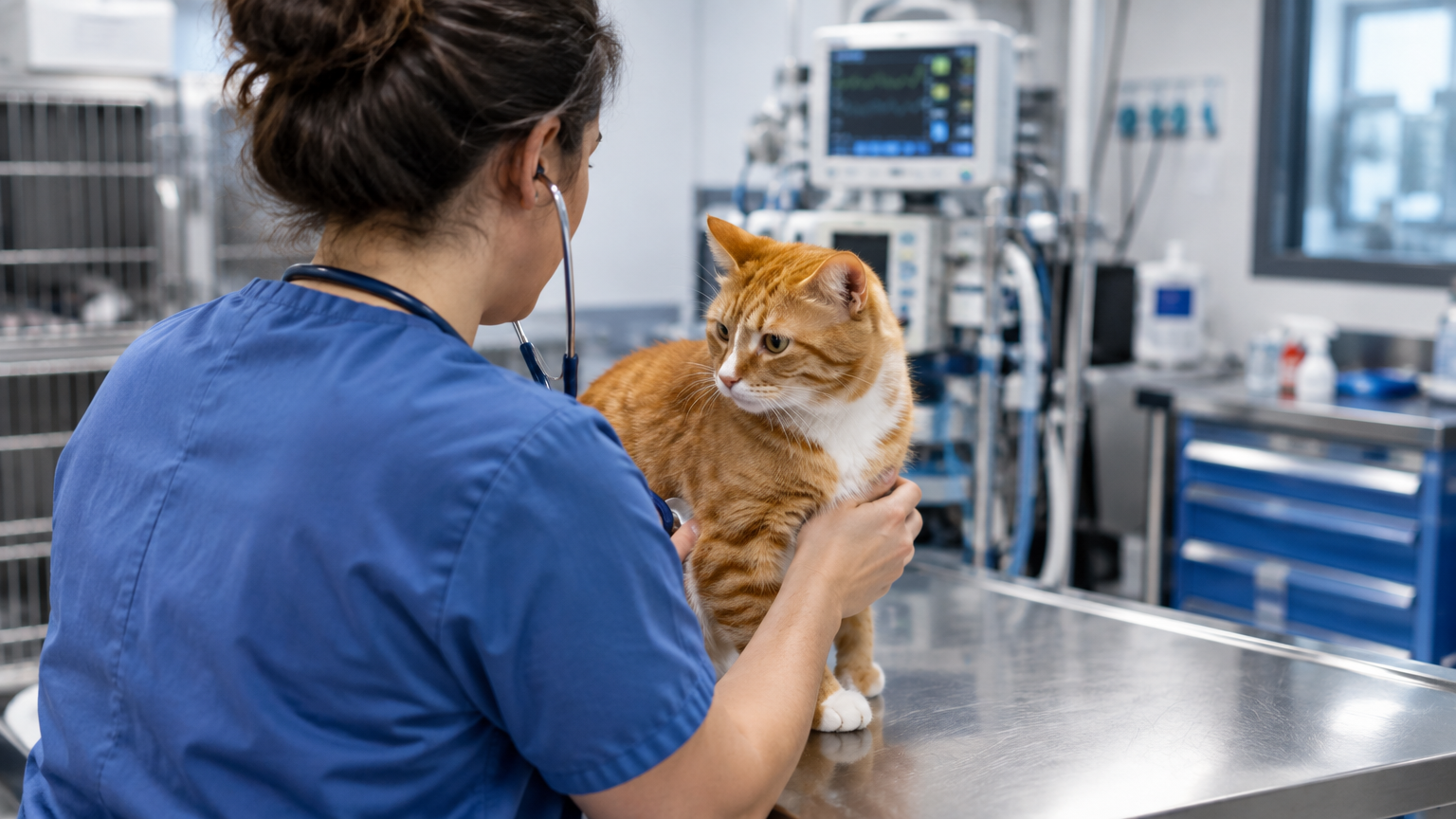
Cat Emergency Vet Dubai: 24/7 Care Guide
Quick Summary
- Learn the top 10 red-flag symptoms that require immediate emergency vet care versus signs that can wait for a regular appointment.
- Understand local risks like heatstroke in Dubai summers and common toxic houseplants in UAE homes.
- Find out which Dubai clinics offer true 24-hour emergency vet services versus after-hours phone or on-call care only.
- See what typical costs or fees you might expect for late-night emergencies, diagnostics, surgery and hospitalization.
- Get guidance on how to decide in an emergency (triage), and what to ask when seconds count.
Why a Cat Emergency Vet Dubai Matters: Local Risks You Should Know
Finding a reliable cat emergency vet Dubai isn’t just about convenience—it’s about survival. In Dubai, the climate, urban setting, and local plant life create unique dangers for cats. Summer temperatures often exceed 40°C, dramatically raising heatstroke risk. Many homes feature beautiful plants that are toxic to felines. Combined with busy traffic and high-rise living, even minor injuries can escalate quickly. Knowing whether your cat needs emergency care can save both time and your pet’s life.
The Dubai Climate Factor
Cats struggle in extreme heat. From May to September, outdoor temperatures easily reach 35–40°C. An indoor cat left near a window without proper ventilation faces real danger. Symptoms develop fast: excessive panting, drooling, red gums, rapid heartbeat, and weakness.
Even air-conditioned homes pose risks if a cat gets trapped in an unventilated room or outside accidentally.
Top 10 Red-Flag Symptoms That Demand Immediate Emergency Care
If your cat shows any of these symptoms, contact a 24-hour emergency clinic immediately:
| # | Symptom | Why It’s Critical |
|---|---|---|
| 1 | Urinary blockage (especially males) | The bladder distends rapidly. Kidney failure can begin within hours. |
| 2 | Laboured breathing or open-mouth breathing | Indicates respiratory failure or shock. Blue or pale gums mean critical oxygen levels. |
| 3 | Severe vomiting or diarrhoea with blood | Risk of rapid dehydration, sepsis, or internal damage. |
| 4 | Heatstroke signs – heavy panting, drooling, pacing, wobbling | Dubai’s heat can be fatal without immediate intervention. |
| 5 | Suspected poisoning or toxin ingestion | Many common plants, medications, chocolate, and rodent baits are dangerous. |
| 6 | Seizures or sudden collapse | May indicate neurological issues, toxins, or severe metabolic problems. |
| 7 | Trauma – falls, road accidents | Internal bleeding and fractures can cause shock within minutes. |
| 8 | Hard, distended abdomen or bloating | Could signal organ torsion or gastrointestinal obstruction. |
| 9 | Bleeding wounds that won’t stop | Heavy blood loss leads quickly to shock. |
| 10 | Eye injury or sudden blindness | Delays increase the risk of permanent vision loss. |
Symptoms That Can Usually Wait Until Morning
These issues may still need veterinary attention, but if your cat is eating, drinking, alert, and stable, you can typically schedule a daytime appointment. However, when in doubt—treat it as an emergency.
- Mild coughs or sneezes without breathing difficulty
- Single episode of vomiting or diarrhea with no blood and cat remains active
- Skin irritation or scratching without signs of infection
- Slight appetite or behaviour changes over 24–48 hours
- Mild limping without swelling or open wounds
Local Dubai Specifics: Heat, Toxic Plants, and Regulations
Heatstroke and Summer Risks
Heatstroke represents the biggest seasonal emergency in Dubai. Cats left in parked cars, on exposed balconies, or outdoors can overheat dangerously fast. Warning signs include heavy panting, drooling, red gums, rapid heart rate, and weakness.
Prevention is simple: ensure constant access to shade and fresh water. Keep indoor temperatures cool. Never leave a cat in a car, even with windows cracked.
Common Toxic Houseplants in UAE Homes
Many popular indoor plants in Dubai homes are dangerous for cats. Avoid these:
- Pothos (devil’s ivy)
- Monstera
- Philodendron
- Peace lily
- ZZ plant
- Snake plant
- Dracaena
- Jade plant
These plants can cause severe mouth irritation, gastrointestinal upset, and in the case of lilies, even acute kidney failure.
Safe alternatives include parlour palm, areca palm, kentia palm, lady palm, cast iron plant, ponytail palm, peperomia, and moth orchid. Always verify plant safety before bringing anything home.
Finding True 24/7 Emergency Vet Care in Dubai
Not all clinics that claim “24-hour service” are actually open overnight. Some only offer phone triage. Here’s what’s genuinely available:
| Clinic | Emergency Availability | Location |
|---|---|---|
| Modern Vet Hospital | Genuinely open 24 hours for emergencies | Al Wasl, Umm Suqeim |
| Umm Suqeim Veterinary Centre (USVC) | Confirmed 24/7 operations | Al Wasl Road |
| DKC Veterinary Clinic | Truly 24-hour facility | Motor City |
| Paw Sisters | On-call 24/7 support (call ahead for after-hours visit) | Al Garhoud |
| APCC | No 24/7 coverage (walk-ins 9am–7pm weekdays) | Umm Suqeim 2 |
| DVES Network | Shared on-call emergency service after hours (check schedule for duty clinic) | Multiple locations |
Key Distinction: Walk-In vs. On-Call
True 24-hour clinics accept emergencies any time without advance notice. You can drive in and be seen immediately.
On-call services require you to phone first. A vet may come in, but delays happen. During peak emergencies, they may direct you to a walk-in facility instead.
Always confirm when you call: “Are you open right now for walk-in emergencies?” Don’t assume based on the website alone.
What to Expect: Emergency Vet Costs in Dubai
Emergency care in Dubai costs significantly more than daytime visits. Budget for these typical fees:
| Service | Typical Cost (AED) | Notes |
|---|---|---|
| After-hours emergency consultation | AED 200–600+ | Higher surcharge for urgent care outside normal hours |
| Diagnostics (blood work, X-ray, ultrasound) | AED 400–1,500+ | Varies with complexity and number of tests |
| Overnight hospitalization/ICU | AED 800–2,000+ per night | Depends on clinic level and care intensity |
| Emergency surgery (blockage, obstruction, trauma) | AED 2,000–5,000+ | After stabilization; cost varies by procedure complexity |
| Transport or on-call fees | Extra charges | Some clinics charge additional fees for after-hours travel |
When you call for help, ask immediately: “What is your after-hours emergency fee? Do you accept walk-in night admissions? Which diagnostics do you handle in-house?” This information helps you plan and compare options.
How to Choose the Right Emergency Vet Clinic
Evaluate These Factors
- Genuine 24/7 availability: The clinic must be physically open all night, not just offering phone support.
- Proximity to your home: Dubai traffic can double travel time at night. Know your nearest 24-hour facility.
- Advanced facilities: In-house diagnostics, ICU beds, surgical capability, oxygen support, and ventilators matter in true emergencies.
- Feline expertise: Veterinarians who regularly handle cat emergencies understand their unique physiology and behaviour.
- Transparent pricing: Clear fee structures and cost estimates before treatment begin.
Prepare Before an Emergency Strikes
Save the phone numbers of at least two 24-hour clinics in your contacts now. Keep your cat’s medical history, weight, and vaccination records accessible. Maintain a carrier in an easy-to-reach location. Remove toxic plants from your home. These steps take minutes today but could save your cat’s life tomorrow.
Frequently Asked Questions
My cat is breathing with difficulty but ate breakfast. Should I wait?
No. Laboured breathing, gagging, open-mouth breathing, or blue/pale gums are always emergencies. Go to a 24-hour clinic immediately. Eating earlier doesn’t change the severity of a breathing problem.
What if a male cat is straining to urinate but seems alert?
This is a medical emergency. Urinary blockage in male cats becomes life-threatening within hours. Even if your cat appears normal otherwise, do not wait until morning. Transport him to a 24-hour emergency facility right away.
I think my cat ate a toxic plant. What should I do first?
Note what was eaten and when. Take a photo or sample of the plant if possible. Do not induce vomiting unless a vet instructs you to. Call a 24-hour clinic immediately, describe the plant, and follow their guidance while travelling.
How can I prepare now to avoid panic later?
Create a simple emergency kit: list of nearby 24-hour clinics with phone numbers, your cat’s medical history, a recent photo, and a carrier. Keep toxic plants out of reach. Ensure your cat has constant access to shade and fresh water, especially in summer.
Is heatstroke really a risk for indoor cats in Dubai?
Yes. Poor ventilation, high humidity, and direct sunlight through windows can trap dangerous heat indoors. Even cats that never go outside face heat stress. Heavy panting, drooling, red gums, or lethargy are emergency signs. Maintain cool indoor temperatures and offer water constantly.
Take Action Today
Your cat’s safety depends on being prepared. Save the number of your nearest 24-hour emergency clinic right now. Identify and remove toxic plants from your home. Keep your cat’s medical records organised and accessible.
When an emergency happens—and for cat owners, it often does—you’ll be ready to act fast. Trust your instincts. If something feels wrong, seek immediate veterinary care. That decision could mean the difference between recovery and tragedy.
Do you need help finding the best emergency vet clinic near you? I can help you compare local options, check ratings, review fees, and identify the facility that’s truly right for your cat.